
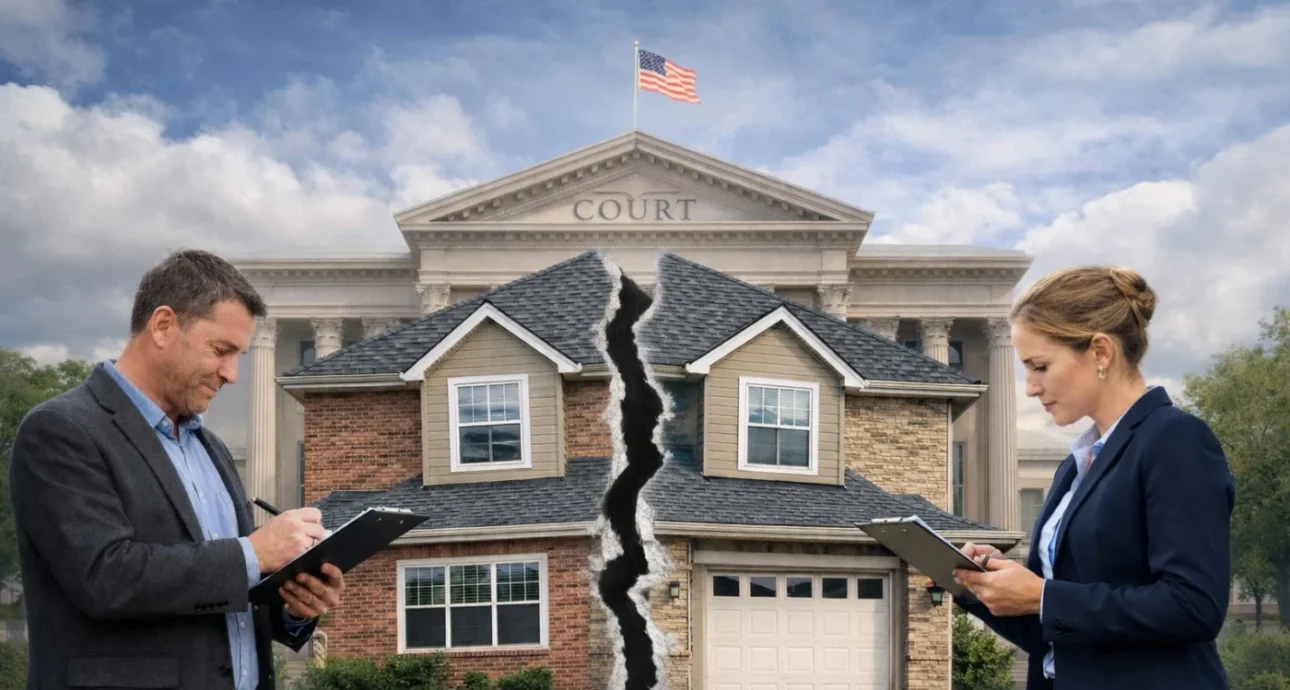
Dividing property in a North Carolina divorce can be one of the most complicated parts of ending a marriage, especially when real estate is involved. Disagreements often arise over the fair market value of a home or other property, as spouses may have different views on what the property is truly worth.
Real estate valuation disputes NC commonly occur due to varying appraisal methods, conflicting evidence, or emotional ties to a home that has been shared for years. Factors such as recent improvements, neighborhood trends, market conditions, and comparable sales all play a role in determining value, making it challenging to reach a clear agreement.
Courts rely on accurate valuations to ensure equitable distribution, meaning the way property is assessed can directly affect financial settlements. Proper documentation, expert appraisals, and careful evaluation of all evidence are essential to support a fair outcome.
Disputes over real estate values can create confusion and prolong property division, but knowledgeable North Carolina Divorce Attorneys at Martine Law can provide the guidance needed to ensure valuations are handled accurately, clearly, and according to legal standards.
What Causes Appraiser Conflict Divorce NC and How Does It Affect Settlements?
Appraiser conflict divorce NC typically occurs when each party hires an independent appraiser who provides significantly different valuations of the same property. Factors such as market conditions, property improvements, neighborhood comparables, and appraisal techniques can create these differences.
Conflicting appraisals can delay negotiations and make it harder to reach a fair settlement. In some cases, courts may need to appoint a neutral third-party appraiser or rely on expert testimony to resolve these conflicts.
Understanding these risks early allows you to prepare your documentation and anticipate challenges in court proceedings.
How Can Spouses Resolve Real Estate Valuation Disputes NC?
Resolving real estate valuation disputes NC often begins with open communication and reviewing all relevant appraisals. Parties may negotiate directly or through mediation to reach a compromise on the property’s value.
Mediation allows both sides to present evidence and explain appraisal differences in a structured setting. Courts generally encourage these collaborative efforts to minimize litigation costs and emotional strain.
When disputes persist, hiring a qualified appraiser with experience in divorce cases ensures the valuation reflects accurate market trends. Consulting with a divorce attorney can also help clarify legal rights and streamline the process.
At this stage, it is common and normal to speak with a divorce lawyer to understand your options and ensure your interests are protected.
Risks of Ignoring Appraiser Differences
Ignoring appraiser conflict divorce NC or failing to address discrepancies can create serious risks, including uneven settlements, prolonged litigation, and potential appeals. When property is misvalued, financial obligations can shift unfairly or your share of marital assets may be reduced.
Courts may question the credibility of poorly documented appraisals, complicating outcomes and weakening your position.
Federal regulations set minimum appraisal standards that appraisals must at a minimum conform to generally accepted appraisal standards, be written and contain sufficient analysis, and reflect market value, standards based on the Uniform Standards of Professional Appraisal Practice (USPAP) to support reliable results.
Addressing appraisal differences early helps protect your financial interests and keeps equitable distribution transparent and legally defensible.
What Methods Do Courts Use to Resolve Appraiser Conflict Divorce NC?
When disagreements persist, North Carolina courts may use several methods to resolve appraiser conflict divorce NC. Courts often consider the following:
- Appointing a neutral court expert to provide an independent valuation.
- Comparing submitted appraisals and weighing credibility, documentation, and methodology.
- Allowing cross-examination of each appraiser during hearings.
The goal is to reach a fair market valuation that both parties can accept or that the court can enforce. Understanding these methods helps you anticipate potential outcomes and prepare your case thoroughly.
Best Practices for Managing Real Estate Valuation Disputes
Real estate valuation disputes NC can become a major point of contention during divorce proceedings, so taking proactive steps to manage them effectively is essential. By approaching the process methodically, you can help ensure property is divided fairly and reduce the risk of prolonged conflict.
- Document Property Details: Keep thorough records of renovations, improvements, and routine maintenance. Receipts, invoices, and photographs can provide concrete evidence of the property’s condition and value, helping to support your case if disputes arise.
- Understand Market Comparables: Research recent sales of similar properties in your area. Comparable sales data helps establish a realistic market value and strengthens your position during negotiations or court proceedings.
- Hire Qualified Appraisers: Work with appraisers experienced in divorce-related valuations and familiar with local market trends. Specialized appraisers can provide objective, well-documented reports that hold up in court.
- Maintain Open Communication: Share appraisal reports with the other party and explore negotiation or mediation before escalating to litigation. Clear communication can resolve discrepancies early and prevent costly court battles.
- Work with an Attorney: Family attorneys can help you present evidence effectively, interpret appraisal reports, and advise on legal strategy to protect your financial interests.
Following these practices increases your chances of reaching a fair resolution while minimizing stress and delays. Handling real estate valuations carefully ensures that equitable distribution is transparent, well-supported, and legally defensible, helping both parties move forward with confidence during a difficult time.
Ensuring Fair Real Estate Valuations in NC Divorces
Real estate valuation disputes NC can be one of the most challenging parts of equitable distribution in a North Carolina divorce. Conflicts over appraisals are common, but they can be effectively managed with careful documentation, thorough analysis, and clear communication between parties.
Addressing differences early, exploring negotiation or mediation, and relying on objective appraisal methods can help prevent prolonged litigation and ensure that property division is fair.
Working with an experienced attorney provides the added benefit of understanding the legal standards that govern valuations, interpreting complex appraisal reports, and presenting evidence effectively in court if necessary.
For those navigating these disputes, North Carolina Divorce Attorneys at Martine Law offers knowledgeable support to help you approach the process calmly and confidently. You can contact them at +1(704)-255-6992 or visit the Contact Us page to discuss your situation and options.
FAQ About Real Estate Valuation Disputes in NC
Can the court override an appraiser’s valuation?
Yes. In North Carolina, courts can give more weight to one appraisal over another or appoint a neutral expert to determine the property’s fair market value. The judge reviews each appraisal’s credibility, methodology, and supporting evidence. This process ensures the final valuation is accurate and fair, even when initial appraisals from the parties differ significantly, supporting an equitable distribution.
How much does hiring a court-appointed appraiser cost?
Costs for a court-appointed appraiser depend on the property’s size, location, and complexity. Typically, the court decides how expenses are shared between the parties. Using a neutral appraiser provides an objective valuation, which can reduce disputes and prevent extended litigation. While it may be an upfront cost, it often saves money and stress in the long run.
What if spouses still cannot agree after mediation?
If mediation does not resolve differences, the dispute proceeds to litigation. The court may hold hearings, review submitted appraisals, and allow expert testimony to establish a fair property value. Legal guidance is crucial during this stage to ensure your evidence is admissible, your case is organized, and your interests are fully represented. This approach helps avoid unnecessary delays or unfair outcomes.
Can emotional attachment influence appraisals in divorce?
Appraisers are required to provide an objective assessment of the property’s market value. Emotional attachment does not affect professional valuations, but it can influence negotiations or perceptions of fairness during discussions. Working with a North Carolina Divorce Attorney helps you focus on legally supported valuations and keeps emotional factors from skewing settlements, ensuring the property is divided equitably.
Are there alternatives to hiring multiple appraisers?
Yes. Spouses can agree to use a single neutral appraiser or rely on mediation to reconcile differences in valuations. This method is often more cost-effective and reduces conflict. It allows both parties to participate in a fair evaluation process without duplicating efforts. Courts generally view this collaborative approach favorably, and it can streamline the equitable distribution of marital property.
